







Search Results for: espresso comparison
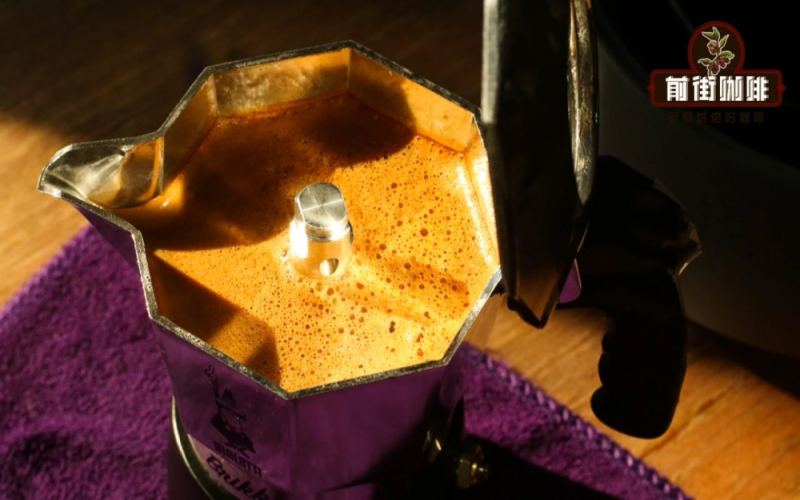
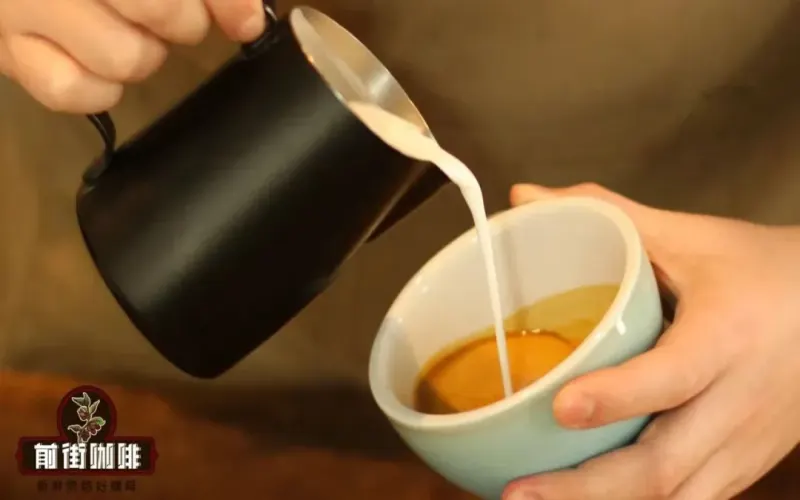
Can Moka Pot Coffee Handle Latte Art? A Practical Comparison with Espresso and a Detailed Brewing Guide
Many coffee enthusiasts are curious whether coffee brewed with a moka pot can produce beautiful latte art like espresso from an espresso machine. The baristas at Front Street Coffee are often asked this question by customers, so we decided to conduct a hands-on comparison: using the same Front Street classic espresso blend beans, extracted separately with a moka pot and an espresso machine, then using the same milk foam and similar techniques for latte art. The results showed that latte art with moka pot coffee had paler colors and blurry lines, while espresso patterns were clear with strong contrast. Behind this are key factors such as crema richness and extraction pressure. This article will present the complete comparison process and share how to make moka pot coffee richer through bean selection and grinding, while retaining Front Street brand recommendations and product information to help you easily make good coffee at home. [more…]
A Guide to Choosing Commercial Espresso Beans: Italian-Style Blend House Beans Recommendations and Bagged Price Comparison Analysis
For opening a coffee shop or drinking espresso daily, choosing the right beans directly affects consistency in the cup and cost control. This article focuses on commercial espresso blend coffee beans, first explaining the basic logic of blending and common misconceptions, then introducing one by one the flavor positioning and suitable scenarios of five espresso-specific blend beans under Front Street Coffee, with a key analysis of the origin composition and flavor performance of Front Street commercial blends. It also explains the roasting degree requirements for pressurized extraction in espresso machines, as well as how beginners and shops with a single grinder should choose. Finally, it offers a way to compare prices of bagged espresso blends, helping coffee enthusiasts and industry professionals find daily beans that taste good, are consistent, and are not expensive. [more…]
Why Is Espresso Extraction Pressure Locked at 9 Bar? A Complete Analysis from Pump Principles to Flavor Comparison
In espresso extraction, pressure is an often overlooked yet crucial parameter. Starting from Front Street Coffee's extraction practices, this article first sorts out the five core elements—coffee beans, dose, ratio, grind size, and time—and then takes a deeper look at how pressure affects espresso flavor. You'll learn the difference between pump pressure and extraction pressure, the differences between vibratory pumps and rotary pumps, and a practical comparison of coffee performance at three pressures: 6 bar, 9 bar, and 11 bar. The article also traces the origins of 9 bar becoming the industry standard and explores the new possibilities that variable pressure extraction brings for flavor adjustment. [more…]

How to distinguish between a Long Black, a Lungo, and an Americano? Production and flavor comparison of three black coffees
Facing Long Black, Lungo, and Americano on the menu, many coffee lovers often can't tell them apart. Although they are all black coffee, their preparation methods and flavor profiles each have their own merits. Long Black is the Australian's unique interpretation of espresso diluted with water, with a smaller cup size and a richer taste; Lungo is an extended espresso obtained by lengthening the extraction time, with a more pronounced bitterness; and Americano is the product of American soldiers diluting espresso to suit their taste during World War II. This article will break down in detail the differences between these three black coffees from the aspects of historical origins, brewing parameters, crema performance, and drinking experience, and cite extraction examples from Front Street Coffee to help you make a clearer choice the next time you order. [more…]

Can Espresso Blend Beans Handle Pour-Over? An In-Depth Analysis of Suitability and Flavor Performance, Plus a Front Street Coffee Hands-On Comparison
Many coffee enthusiasts wonder: can the blended beans typically used for espresso also be used for pour-over? The answer is yes, but doing so will lose the pure flavor of single-origin beans, and the overall taste will be more complex. Espresso blends and pour-over blends differ significantly in purpose, principles, and roast level—the former seeks flavor complementarity, while the latter emphasizes flavor enhancement. This article provides a detailed breakdown of the similarities and differences between the two, their blending principles, and uses Front Street Coffee's Ethiopian natural Red Cherry blended with Honduran Sherry as an example, extracting with both an espresso machine and a V60 pour-over for comparison, covering everything from parameters to flavor. [more…]
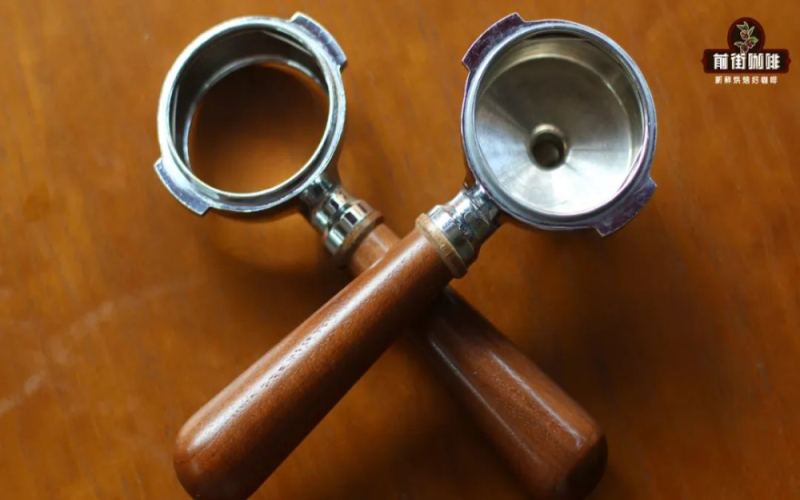
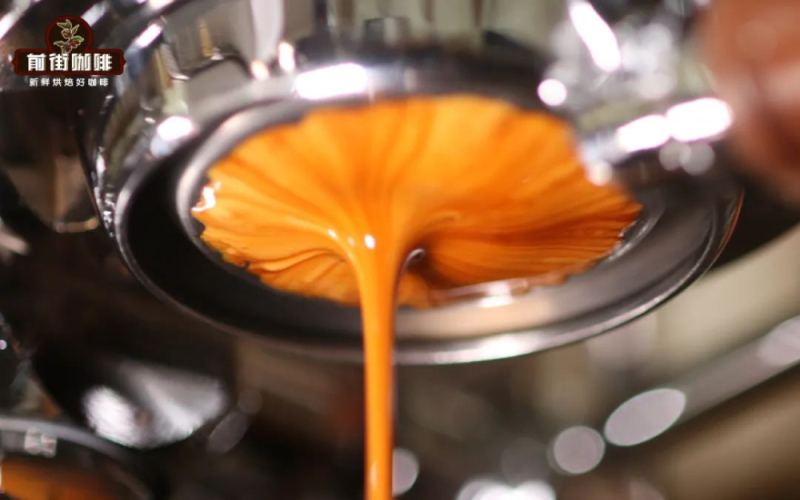
Comparison of Bottomless and Spouted Portafilters for Espresso: Pros, Cons, and a Front Street Coffee Extraction Demo
The portafilter is an indispensable accessory for semi-automatic espresso machines. Among the common types available on the market, the bottomed spouted portafilter and the bottomless straight-exit portafilter each have their own characteristics. Front Street's stores have long used bottomless portafilters. This article will start from the structural differences and a comparison of advantages and disadvantages, and provide an in-depth analysis of how the two types of portafilters differ in extraction observation and operational convenience. It will also include a practical demonstration of bottomless portafilter extraction using Front Street's classic blend coffee beans, helping coffee enthusiasts understand the espresso extraction process and quality assessment more intuitively. [more…]
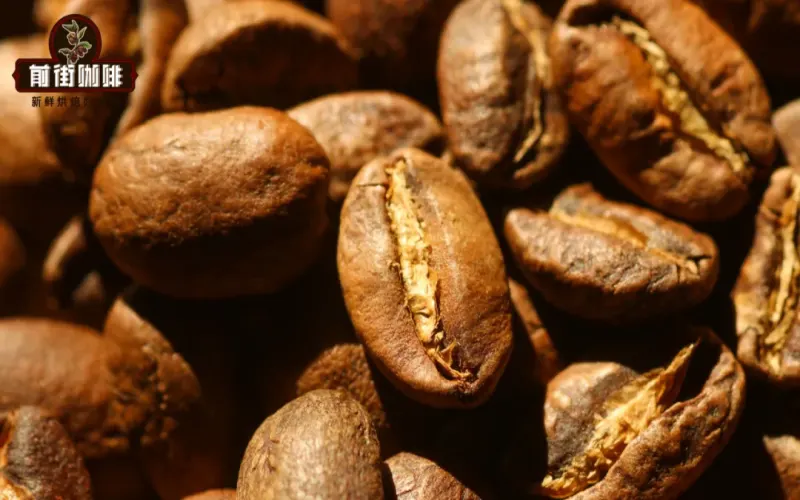
A Comprehensive Comparison of Pour-Over and Espresso Coffee: Extraction Principles, Flavor Characteristics, and Key Brewing Points for Single-Origin Beans
The coffee world is changing by the day, and the rise of specialty coffee has led us to re-examine the endless possibilities of this beverage. Today, coffee-making methods are endless, and the two major camps—espresso and pour-over—each have their own characteristics, with notable differences from extraction principles to flavor expression. Some people prefer the intense punch of espresso, while others are drawn to the clean, delicate quality of drip coffee. So what exactly are the differences between the two in extraction time, equipment choice, and flavor presentation? What kind of coffee beans and drinking habits does each suit? In this article, Front Street Coffee will take you through a comprehensive comparison of pour-over and espresso coffee, along with a brewing demonstration of a single-origin bean, to help you find the cup that suits you best. [more…]
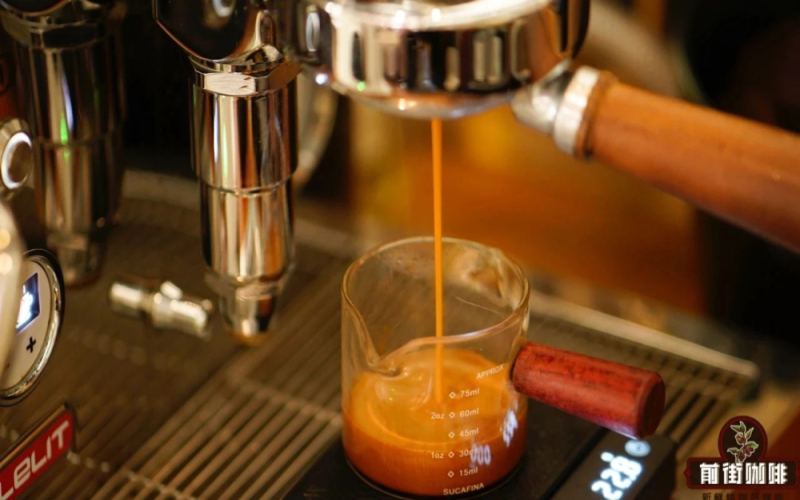
Front Street Coffee takes you through an inventory: English names of common coffee varieties and a translation comparison of proper terms.
After coffee was introduced from overseas, it developed into a rich and diverse range of categories, and different countries and regions have given them distinctive English names. For coffee lovers, mastering the English expressions for these common coffees not only helps you order with greater ease, but also deepens your understanding of coffee culture. Front Street Coffee has compiled this time a list of the most frequently seen coffee categories on the market and their English equivalents, covering Italian classics, iced drink series, flavored specialty drinks, and regional specialty coffees, with Chinese-English comparisons listed one by one for easy reference and memorization. Whether you are a beginner just starting out or a veteran hoping to expand your knowledge base, this list is worth saving. For more specialty coffee knowledge, please follow Front Street Coffee (Frontsteet Coffee). [more…]
Espresso vs. Blue Mountain Coffee: A Comprehensive Comparison of Flavor Differences from Brewing Methods to Bean Selection
Coffee enthusiasts often ask: what exactly is the difference between espresso and Blue Mountain coffee? Which one tastes better? In reality, these two belong to completely different conceptual categories—the former is a high-pressure rapid extraction method originating from Italy, while the latter is a premium coffee bean variety produced in the Blue Mountain region of Jamaica. This article will provide a detailed comparison from the perspectives of brewing principles, flavor characteristics, and identification points, helping readers clarify the essential differences between espresso and Blue Mountain coffee. It will also introduce the unique features of Front Street Blue Mountain No. 1 coffee beans, and why making espresso with Blue Mountain beans becomes an interesting hypothesis. Whether you are a beginner just getting into coffee or an enthusiast hoping to deepen your coffee knowledge, you will gain a clear understanding from this. [more…]

Flavor Comparison of Pour-Over vs. Iced Americano: Espresso Extraction Principles and a Guide to Choosing Italian-Style Beans
In today's era where specialty coffee prevails, espresso remains an indispensable offering in every café. Americano and pour-over both belong to the category of black coffee, yet their vastly different extraction methods deliver completely distinct taste experiences. This article starts from Front Street Coffee's brewing tutorial, first clarifying the concepts of espresso, Americano, pour-over, and black coffee, then delving into the sources of bitterness in Americano, followed by a flavor comparison using Costa Rica Mozart beans prepared as both pour-over and SOE Americano. In addition, the article systematically outlines the characteristics and suitable applications of four types of espresso beans—SOE, specialty blend, Warm Sun blend, and commercial blend—providing practical bean selection reference for coffee enthusiasts and industry professionals. [more…]

How Should You Choose the Coffee-to-Water Ratio for Lattes, Americanos, and Espressos? Front Street Coffee's House Blend Beans Put Three Ratios to the Test in a Flavor Comparison
The same coffee beans, the same grind size and dose, and merely adjusting the espresso brew ratio can make a latte, an americano, and an espresso take on completely different flavor directions. Taking Front Street Coffee's specialty blend of Colombian and Brazilian beans as an example, 20 grams of grounds were extracted at three ratios—1:1, 1:1.5, and 1:2—to taste the differences in mouthfeel among espresso, latte, and americano one by one. The actual test found that: a smaller-ratio espresso has a more pronounced acidity but noticeably sweeter when made into a milk coffee; a larger-ratio espresso easily develops over-extracted woody and smoky notes; 1:1.5 performs best in terms of layering and balance. The article also shares ideas for selecting espresso beans and the characteristics of Front Street's classic espresso blend. [more…]
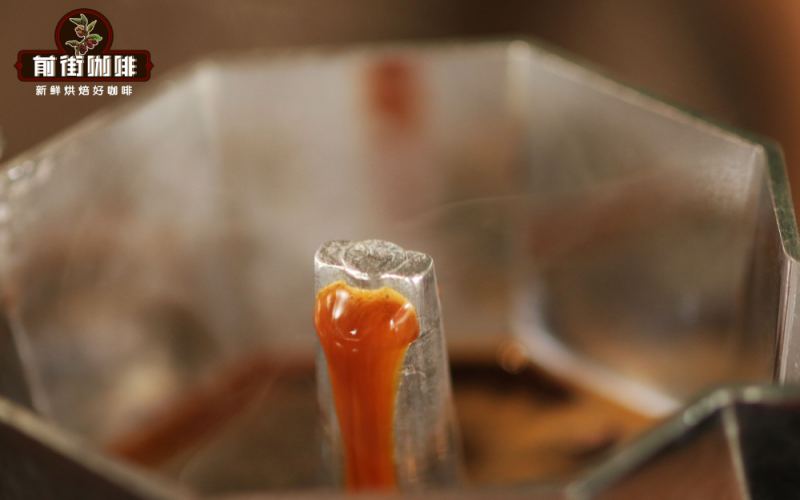
Moka Pot Coffee Grind Size | Comparison of Grind Size Differences Between American Coffee Maker and Espresso Grind and Moka Pot Coffee Grind Settings
Experienced coffee enthusiasts are deeply impressed by the espresso at cafés—rich crema, beautiful latte art patterns—every detail draws coffee lovers to dive into the world of espresso. Making it is easy, but the machines are expensive. Compared to espresso machines that start at tens of thousands, a moka pot costing just over a hundred [more…]
Americano Water Temperature Comparison | What Are the Taste and Flavor Characteristics of Americanos at Different Temperatures? How to Make an Americano and How Much Iced Water to Add to Espresso
Whether Americano tastes better hot or iced is just like whether tofu pudding should be savory or sweet—it splits coffee lovers into two camps. At times like this, there are always onlookers who say: it's clearly just espresso mixed with water, so isn't iced and hot the same? Actually, it really isn't! What is Americano? Americano originated during World War II. [more…]
Espresso vs. Americano: Brewing Methods, Bitterness Comparison, and Milk & Sugar Recommendations
Espresso and Americano sound like they differ by only one word, but their actual meanings are worlds apart. This article starts from the origins of the concepts to help you clarify the relationship between espresso, the broader category of Italian-style coffee, and Americano, and explains in detail the brewing ratios for Americano, the differences between iced and hot preparations, and how adding sugar or milk affects the flavor. It also draws on Front Street Coffee's production experience to offer specific parameter recommendations for the classic Italian-style blend and the Warm Sun blend, including the ratio of espresso to hot water, the proportions for iced Americano, and the amount of fresh milk to add—practical information suitable for coffee lovers who are just starting out or looking to refine their brewing skills. [more…]
BRIKKA Moka Pot Crema Extraction Secrets and Latte Art in Practice: A Detailed Comparison with Espresso Operations
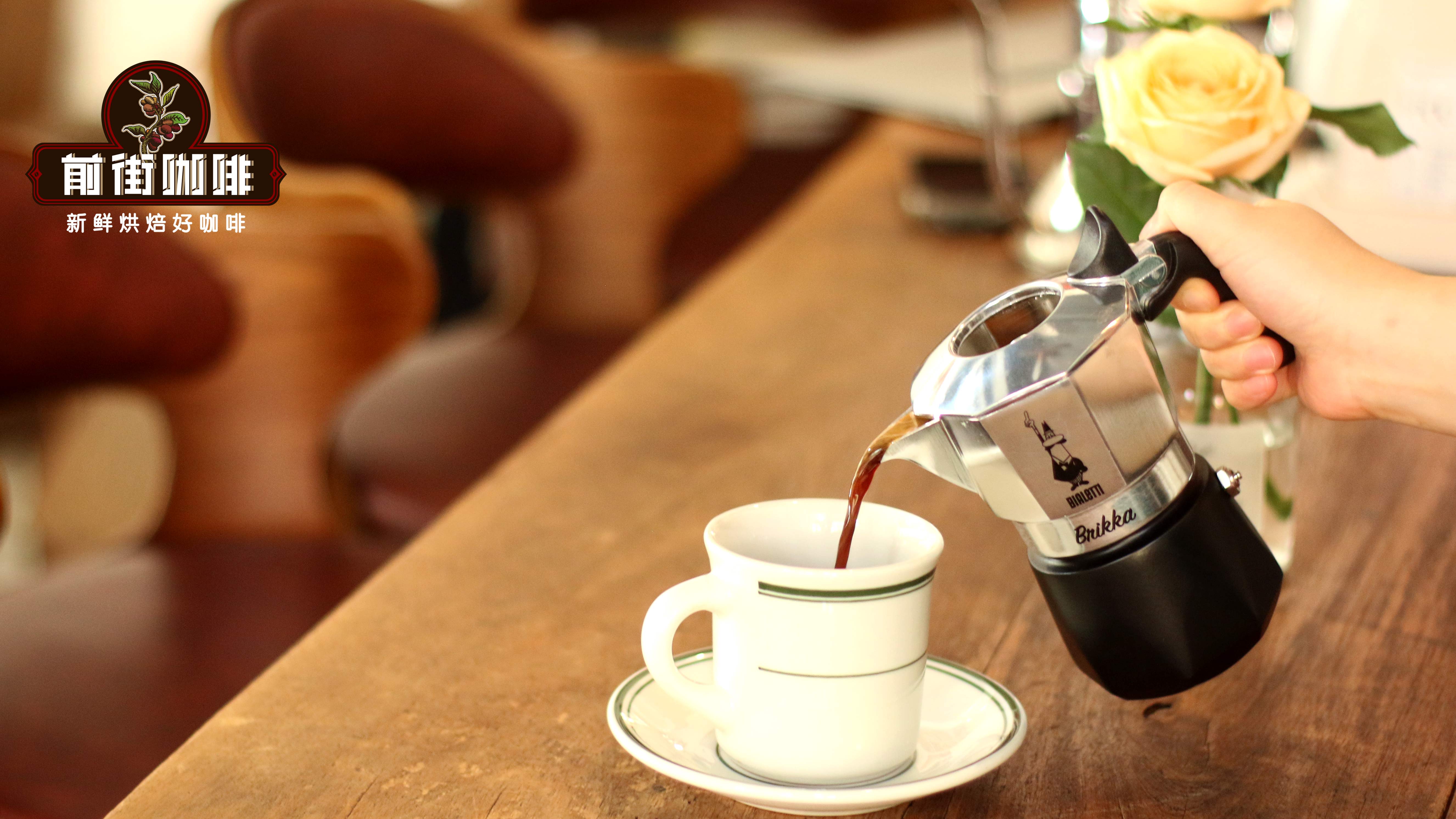
Can a moka pot produce crema? Can the coffee it makes pour a beautiful latte pattern? This article starts with the unique pressure valve design of the BRIKKA moka pot, breaks down in detail the complete steps for extracting coffee liquid with a moka pot, and compares latte art made with espresso extracted by a moka pot against that from an espresso machine. Through hands-on testing, it can be seen that because a moka pot has limited pressure, its richness and persistence of oils are not as good as an espresso machine, and the clarity and contrast of latte art patterns are also relatively weaker. But if you just want to use a moka pot to make a cup of milk coffee with a pattern and good taste, it is still a choice worth trying. This article uses Front Street Coffee Classic Espresso Blend coffee beans for testing, suitable for coffee enthusiasts as a reference. [more…]
What Is Americano? A Full Analysis of Hot vs. Iced Taste Differences and Bitterness Comparison
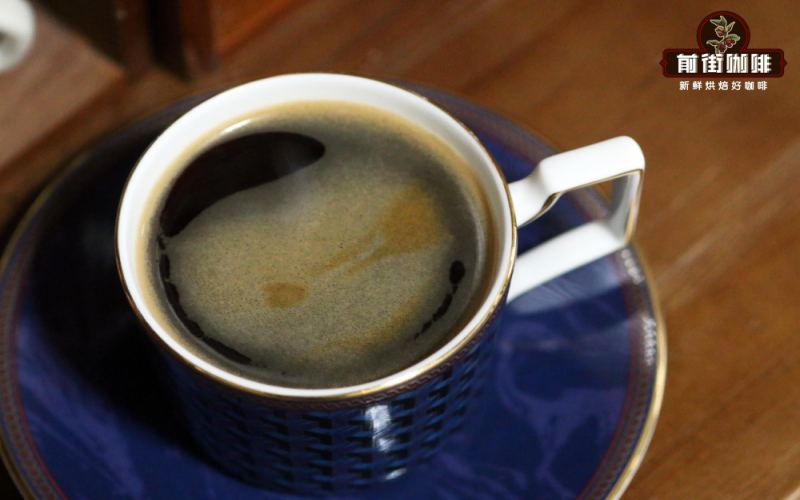
Americano is made by diluting espresso with water. Although the method is simple, it is one of the most popular coffee categories in the world. Starting from the definition, this article compares the differences in aroma and mouthfeel among hot Americano, room-temperature Americano, and iced Americano, and explains how temperature affects taste perception, thereby changing the expression of bitterness and acidity. The article also combines Front Street Coffee's "Sunflower Warm Sun Blend" espresso beans to share bean resting suggestions and extraction experience, helping coffee lovers find an Americano style that suits them better. [more…]
Comprehensive Comparison of Pour-Over and Espresso: A Professional Analysis from Bean Selection and Extraction Pressure to Caffeine Content
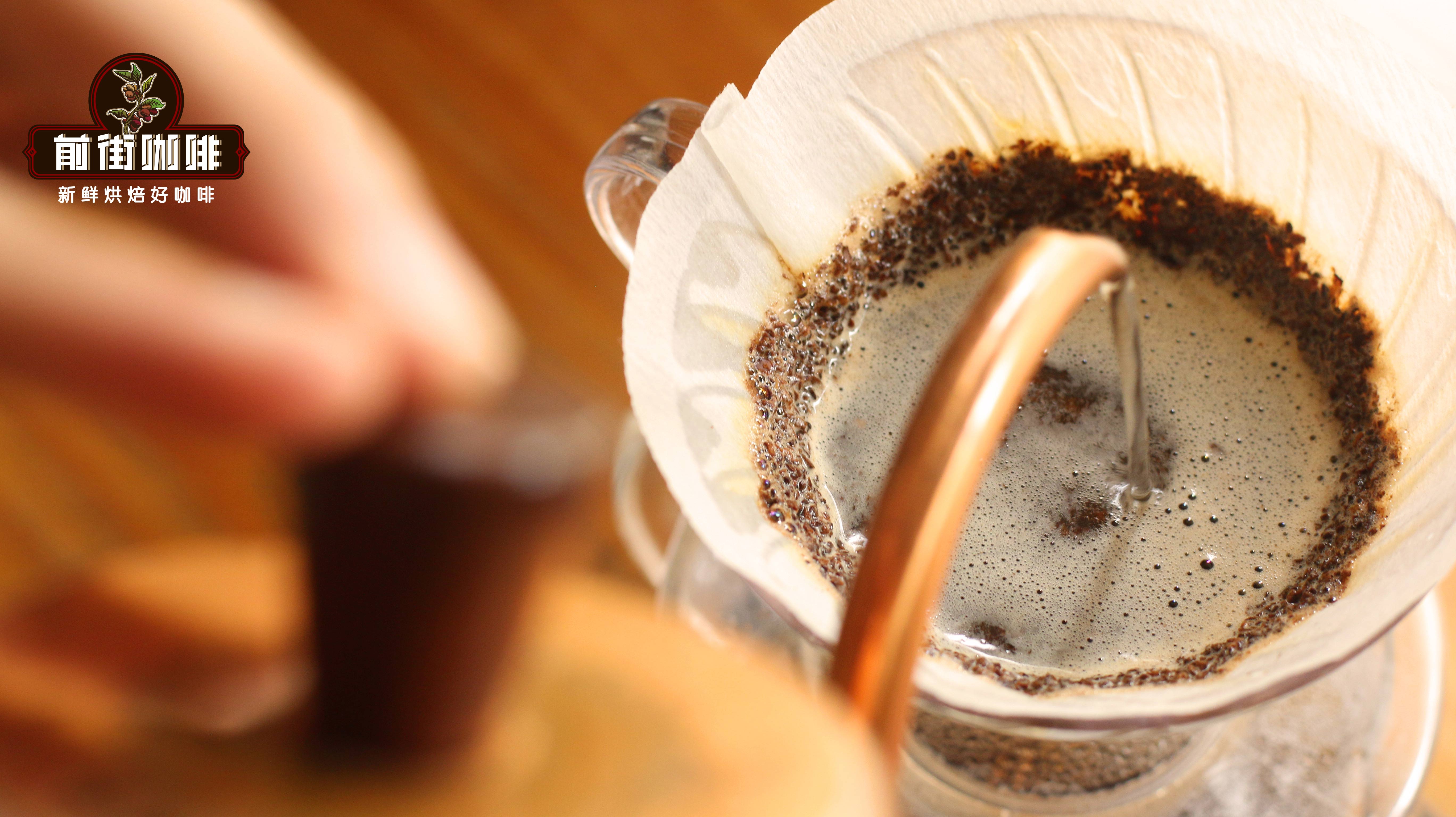
Pour-over coffee and espresso are the two dominant brewing methods in today's specialty coffee world, yet many enthusiasts remain unclear about how they differ. This article compares the two across four dimensions—coffee bean selection, preparation method, beverage volume, and caffeine content—to help readers clarify the core differences between these two brewing systems. In terms of bean types, pour-over typically uses single-origin beans with flexible roast levels; Front Street Coffee's Guodingding, Strawberry Candy, and PWN Golden Mandheling each cater to different flavor preferences. Espresso, by contrast, mostly uses dark-roasted blends, with Front Street Coffee's Classic Blend and Black Cocoa Blend each having its own merits. In terms of extraction pressure, pour-over uses just one atmosphere, while espresso reaches as high as nine atmospheres. As for volume, pour-over yields about 150 to 300 milliliters, while espresso yields only 30 to 60 milliliters. Caffeine content depends on the length of extraction time. [more…]

What is a Cortado coffee? From the Basque Country of Spain to the global evolution and preparation comparison of espresso milk coffees
Cortado is a mini espresso milk coffee originating from the Basque region of Spain, with a name derived from the Spanish word "cortar," meaning "to cut." It uses a small amount of steamed milk to "cut into" espresso, forming a classic ratio of 1:1 or 1:0.5, with a very small cup size, and typically without frothing the milk or retaining only an ultra-thin milk foam. As Cortado spread to Saudi Arabia, Costa Rica, Italy, Malaysia, and other places, local baristas continuously adjusted the recipe according to local tastes, giving rise to modified versions like Blue Bottle's Gibraltar and Cuba's Cortadito. In this article, Front Street Coffee breaks down the traditional characteristics of Cortado, its global variations, and compares its recipe and flavor with Piccolo coffee, helping coffee enthusiasts clarify the unique features of this lesser-known espresso coffee. [more…]
A Complete Analysis of Starbucks' Classic Espresso Drinks: Flavor Comparison of Eight Beverages Including Americano, Latte, and Flat White
Starbucks is a coffee brand beloved by many urban white-collar workers. Some people are passionate about collecting its merchandise cups, while others only drink its offerings. This article systematically sorts out the recipes, taste characteristics, and price ranges of Starbucks' classic espresso drinks, covering eight hot beverages including Americano, Latte, Cappuccino, Caramel Macchiato, Mocha, Espresso, Espresso Con Panna, and Espresso Macchiato, along with cold drink reminders and recommended secret menu hacks. Whether you are a beginner who has just encountered Starbucks or a seasoned connoisseur looking to find the flavor that suits you best, this guide can help you quickly pinpoint your ideal choice. [more…]

How Is a Flat White Different from a Latte? A Comprehensive Comparison from Ratio and Milk Foam to Flavor, with a Side Note on Dirty Coffee
Flat White, Australian White, Australian Rui White... Why does the same coffee have so many names? How exactly does it differ from a latte? Starting from the production standards of Front Street Coffee, this article provides a detailed comparison of the differences between Flat White and latte in terms of espresso base, cup volume, milk foam thickness, and flavor, and also introduces the differences between Flat White, which can only be made hot, and Dirty coffee, which can only be made iced. The article also includes Front Street's complete extraction parameters for making Flat White and recommended milk-to-coffee ratios, helping coffee enthusiasts recreate an authentic Flat White at home. [more…]